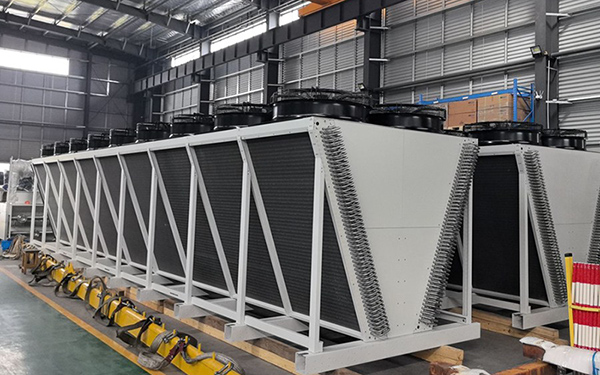
HACST dry coolers pass ambient air over finned coils to cool process fluid without water consumption, ideal for data centers and water-scarce sites.
Choosing an Air-Cooling Solution
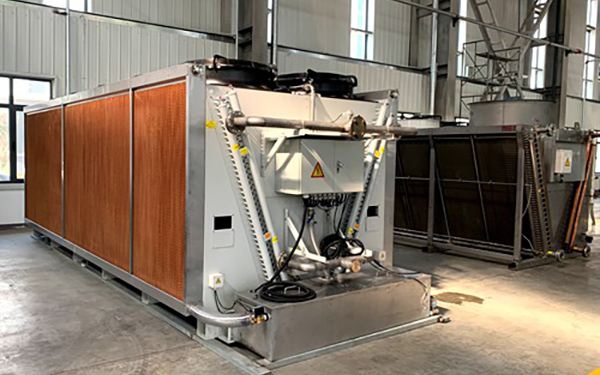
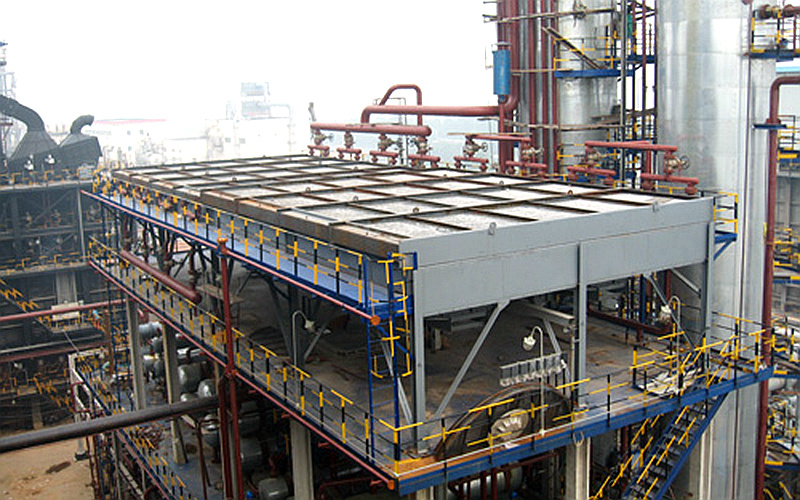
Air-cooling equipment is often selected where water saving, low visible plume and simplified site maintenance are important. Dry coolers, adiabatic coolers and air cooled heat exchangers all reject heat through ambient air, but each type fits a different balance of capacity, climate, footprint and operating cost. The right choice depends on the process fluid, required outlet temperature, local ambient conditions and whether occasional evaporative assistance is acceptable.
HACST helps industrial users compare air-cooling tower options for data centers, manufacturing plants, power systems and process cooling loops. Engineers can review the heat load, working fluid, design temperature and site arrangement before recommending a dry, adiabatic or air cooled heat exchanger configuration. This approach keeps the selection practical and avoids overbuilding equipment that does not match the real operating environment.
 English
  Chinese
  Arabic